An Overview: How Religion Varies By Country
In our global society, the diversity of religious beliefs vividly stands out. Each country has a unique mix of religions, largely influenced by its historical, cultural, and social backdrop. How religion varies by country can offer insightful perspectives into a nation’s identity and the values it is built upon.
The Prominence of Major Religions
Major religions such as Christianity, Islam, Hinduism, Buddhism, and Judaism have significant followings spread across various countries. For instance, Christianity is predominant in the Americas, Europe, and parts of Africa. Conversely, Islam is the leading religion in the Middle East, North Africa, and certain areas of Asia. Similarly, Hinduism is primarily found in India and Nepal, while Buddhism is widespread in East and Southeast Asia. And Judaism, although smaller in numbers, has a notable presence in Israel.
Minor Religions and Indigenous Beliefs
However, it’s important to note that these major religions often coexist with a variety of minor religions and indigenous beliefs. For instance, Shinto is practiced almost exclusively in Japan, and numerous African nations hold traditional African religions in high regard, alongside Christianity and Islam. Aboriginal religions are also prominent in Australia and native American tribes in the United States. The diversity in religious beliefs acknowledges the principle that religion fundamentally is about personal interpretation and cultural uniqueness.
Dominant Religions By Country
Understanding the dominant religions by country provides a clearer perspective on the cultural and societal norms of different parts of the world. Religion shapes many aspects of life, including traditions, holidays, dietary restrictions, and clothing. Around the globe, there are several major religions that hold prominence in various countries, such as Christianity, Islam, Hinduism, Buddhism, and Judaism.
Christianity
Christianity is one of the most widespread religions and is the majority religion in places like North America, South America, Europe, and Australia. It encompasses a variety of sects, including Roman Catholicism, Protestantism, and Eastern Orthodoxy. Diffusion over centuries has made Christianity a dominant religion in a majority of countries.
Islam
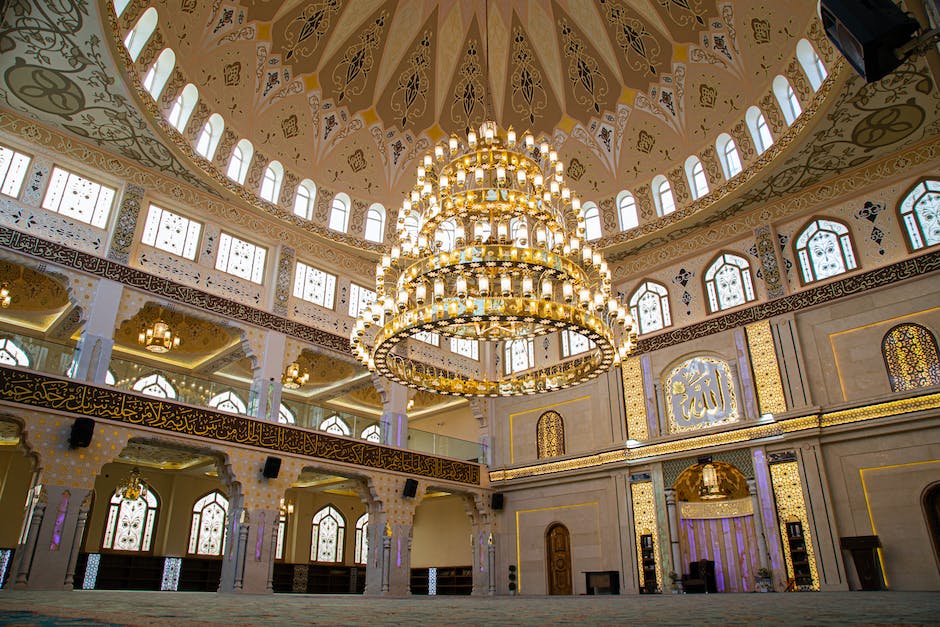
Islam, on the other hand, largely dominates the Middle East, parts of Africa, and some countries in Asia. Major branches in Islam include Sunni and Shia. It’s evident in the way of life, governance, and architecture of various Islamic countries.
Hinduism and Buddhism
Hinduism mainly rules in India and Nepal. This ancient faith carries a rich tradition and rituals that influence societal norms in these countries. On the other hand, Buddhism is a leading religion in countries like Thailand, Myanmar, and Cambodia. Rooted in the teachings of Siddhartha Gautama, Buddhism’s influence is evident in the peaceful philosophies and temple-filled landscapes of these nations.
Exploring Religious History By Country
Religion has played a significant role in shaping the history and culture of each country across the globe. The beliefs, rituals, ceremonies, and religious institutions of every country provide its unique identity and construct its societal structure. This exploration of religious history by country aims to understand the religious evolution that has significantly affected the civilizations and cultures.
Religious Traditions and Their Impact
Religions have profound effects on war, peace, the economy, politics and countless other societal structures. Looking at the impact of religion by country allows us to understand how these elements are shaped. For instance, countries like India and Egypt, where Hinduism and ancient Egyptian religion respectively have originated, show a distinct cultural and societal paradigm owing to their philosophy and beliefs.
Variety of Religions Worldwide
While Christianity is the largest religion in the world and prominently practiced in countries like the United States and Brazil, Islam vastly influences countries like Iran and Saudi Arabia. The countries in East Asia like Japan or China, on the other hand, are significantly impacted by Buddhism and Confucianism respectively. An exploration of these unique religious histories by country fosters a deeper understanding and acceptance of our global diversity.
Historical Transitions in Religion
Historical transitions in religions worldwide have also shaped the way nations are revered today. A great example of this is the transition from Paganism to Christianity in Russia during the 10th century. Another significant transition is the spread of Islam across regions that now comprise the modern Middle East, which has served as a key turning point in the history of these countries.
Impact of Religion on Society and Politics By Country
Religión has proven to play a pivotal role in shaping societies and political structures in various countries. The influence has a broad spectrum, ranging from laws formed, societal norms, to political decisions and ideologies. Some countries heavily align their policies and societal expectations with their predominant faith, while others maintain a clear separation between religion and state affairs.
Impact on Society
In societies, religion often dictates moral norms, cultural traditions, and social structures. Countries such as Iran and Saudi Arabia, where Islam is the state religion, enforce strict societal norms based on religious principles like the attire women wear or the enforcement of Shari’a law.
Impact on Politics
Religion’s political impact is noticeable in the creation and implementation of laws, political attitudes, and party platforms in a country. In nations like the USA, religious beliefs often inform the political leanings of its citizens, with distinct religious groups favoring specific parties. For example, Evangelical Christians often lean towards the Republican Party due to stances on issues like abortion and same-sex marriage.
India: A Case Study
India’s societal norms and political landscape are heavily influenced by its majority religion, Hinduism. With the rise of the BJP, a party known for promoting Hindu nationalism, the marriage of religion and politics becomes even more evident.
France: A Case Study
Conversely, in France, a staunch defender of secularism, religion’s influence on politics is greatly minimized. This separation is enshrined in their laws promoting laïcité, ensuring that government decisions and societal norms aren’t predominantly influenced by a particular religion.